Generates CERAMIDES
in the Skin

Helps REPAI – RESTORE –REJUVENATE Skin

Produces Ceramides in Skin – unlike other products

Minimizes Trans-Epidermal Water Loss (TEWL)

Supple, Healthy Skin; Helps Slow Down Skin Aging Processes

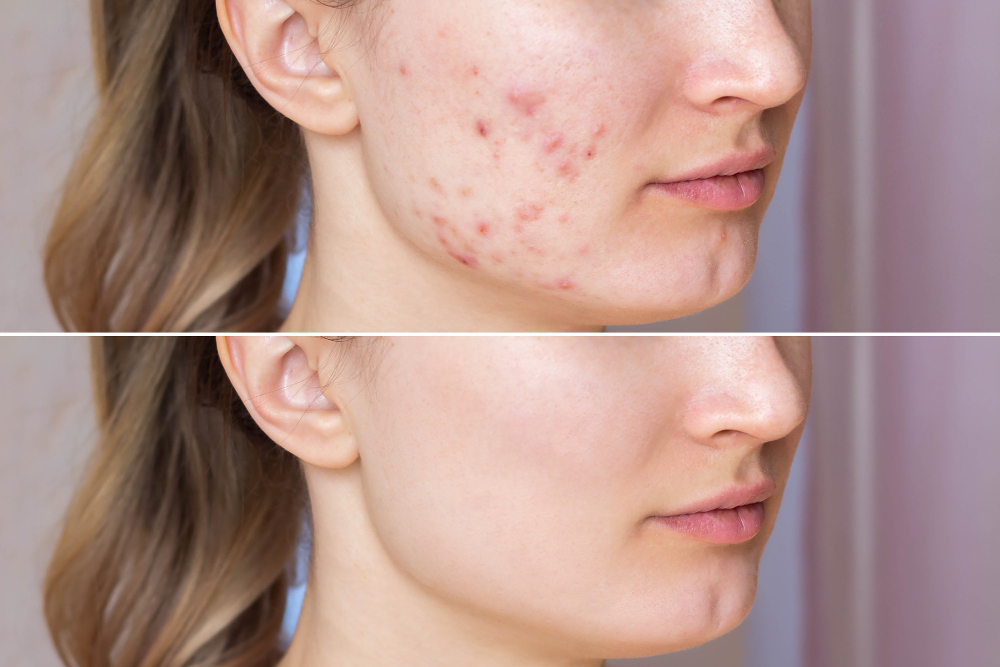
Excellent Moisturizer for Atopic, Psoriasis and Acne Prone Skin Conditions

Importance

What are CERAMIDES?

Human skin is the largest organ of the body and is an effective physical barrier keeping it protected from environmental challenges.

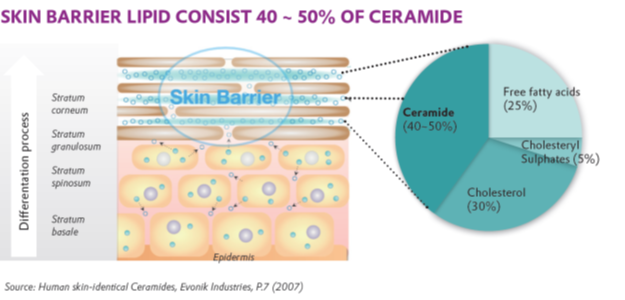
This barrier function of the skin is based on stratum corneum, located in the uppermost skin. Stratum corneum has corneocytes surrounded by multilamellar lipid membranes which are composed of cholesterol, free fatty acids and ceramides (CERs).

Ceramides are of 9 types, numbered from 1 to 9 based on length of their fatty acid chains and nature of their sphingoid bases.

Ceramides are the building blocks of the skin and form protective barrier in the uppermost layer of skin. Skin barrier is first line of defense against pollutants, free radicals, etc – while helping skin to retain that moisture and giving a supple look to skin. &nbsp
Skin Disorders

Decline in Skin CERAMIDE Levels

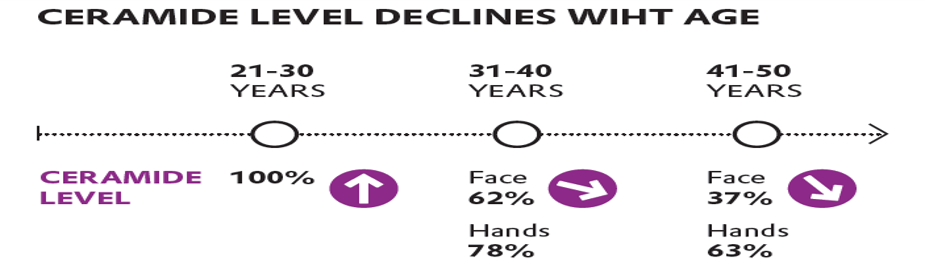
Ceramide levels decrease significantly, with increasing age. In addition, the stratum corneum lipid levels including ceramides from all the body sites dramatically deplete in winter compared with spring and summer.

Decrease in levels of intercellular lipids and the altered ratios of fatty acids esterified to ceramides, are likely to contribute to the increased susceptibility of aged skin to loss of skin barrier function and xerosis, particularly during the winter months.

https://doi.org/10.1007/bf02505294

CERAMIDES decline in Atopic Dermatitis

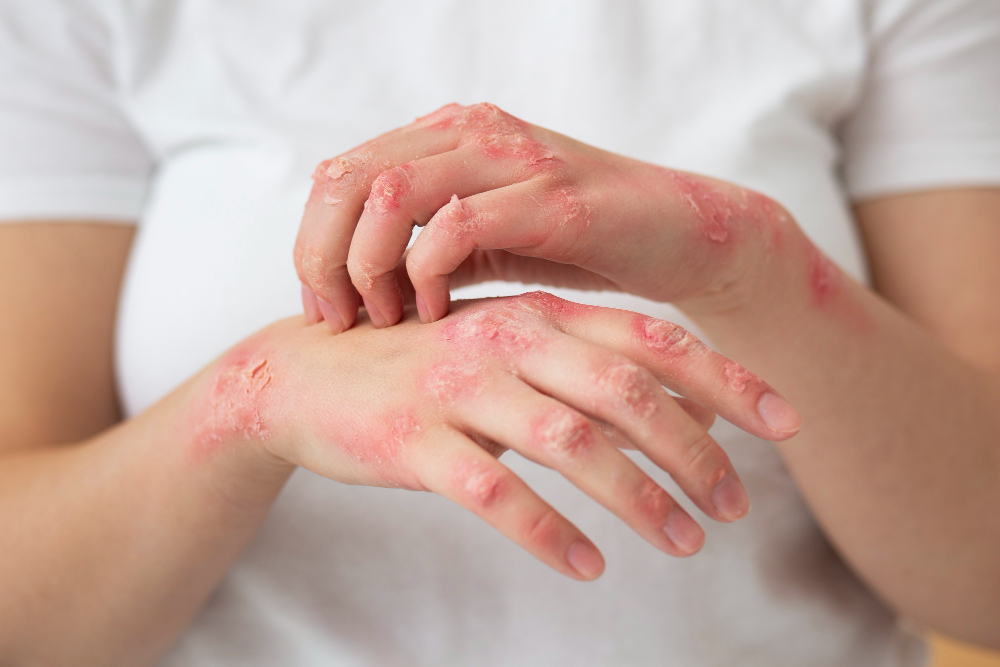
Atopic dermatitis (AD) is a chronic, relapsing, inflammatory, pruritic skin disease. Patients with AD have significantly decreased ceramide levels in the stratum corneum. Not only lesional skin, but also non-lesional skin also exhibits marked reduction in ceramides reaching upto 50% drop in ceramide levels. Ceramide 1 which is particularly important for skin permeability barrier function is particularly reduced in Atopic Dermatitis
CERAMIDES decline in Psoriasis

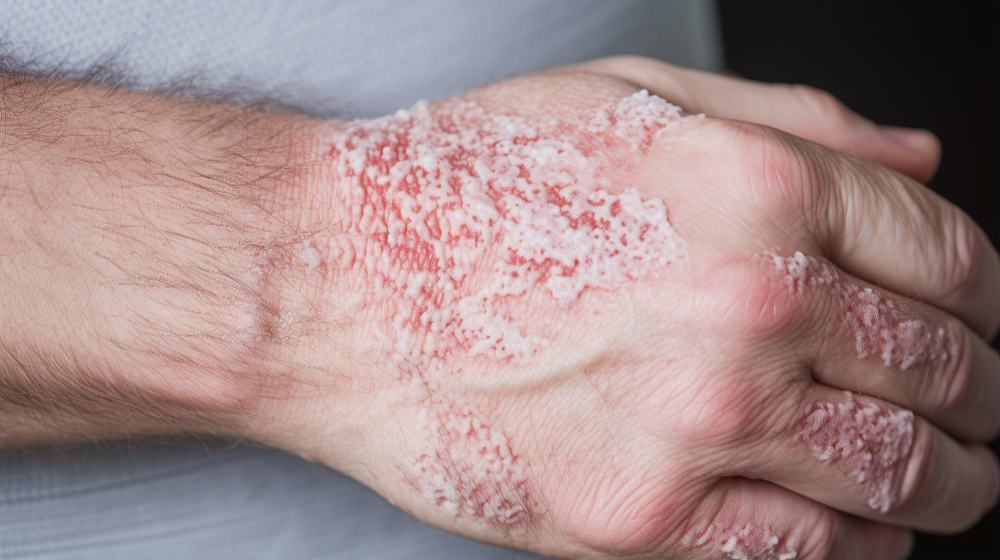
Marked depletion of ceramides especially ceramide 1, 4, & 5 has been reported in patients with psoriasis and the reduction in ceramide is directly related with clinical severity

CERAMIDES Role in Acne

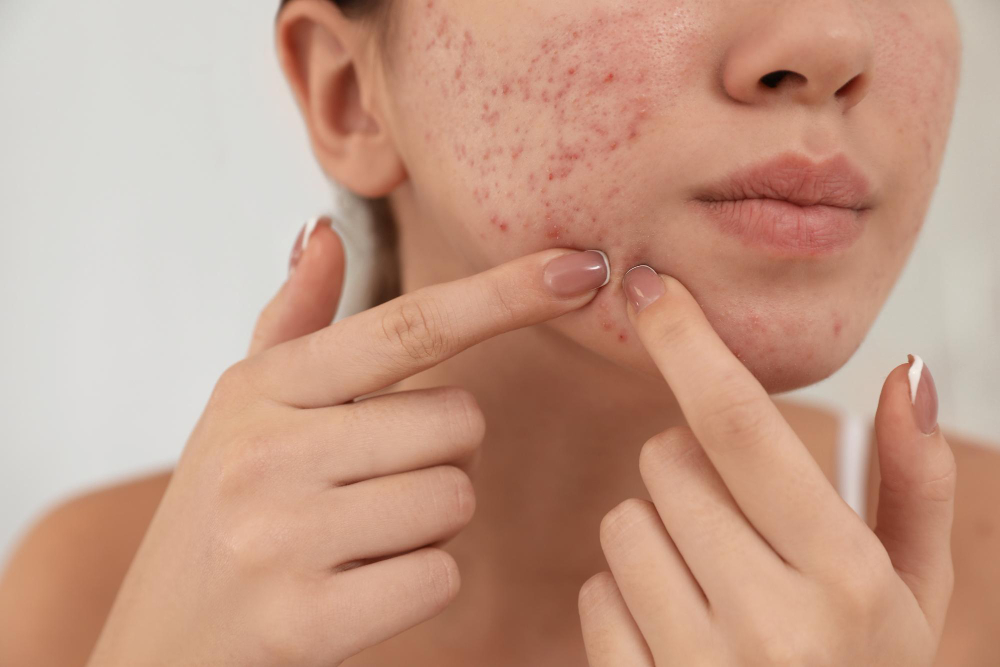
Acne vulgaris (acne) is a multifactorial skin condition with a prolonged course of acute flares and recurrences. Acne is associated with inherent abnormalities in epidermal barrier functions. Moreover, some acne therapies can induce alterations within the epidermis that can lead to changes that disrupt some of the normal physiological functions of the epidermis, including the stratum corneum

CERAMIDES for Baby / Infant Skin

Ceramides represent the third largest fraction (20-23%) of all barrier lipids both in vernix and in fetal skin. In postnatal skin, ceramides are the second largest fraction (24-29%) of barrier lipids. Increase in ceramide concentration is correlated with maturation of the trans-epidermal barrier.

CERAMIDES for Aged Skin

Exogenous ceramides have been part of many anti-wrinkle products. Topical application of exogenous ceramide have very limited benefit, if at all any. CERABEST®, by its endogenous action, is able to generate ceramides in the skin, thus providing an effective natural lipid barrier which can slow down age-related changes in the epidermis

Conventional Approach

Exogenous Ceramides

Commercial Cosmetics Available with EXOGENOUS ceramides have following Limitations*:

CeraBEST®- contains

CeraBEST® - Available as Cream & Lotion

Paraben Free

Alcohol Free

Soap Free

Animal Derived
Material Free

CeraBEST® is recommended
for usage in:

* – Recent advances on topical application of ceramides to restore barrier function; Emine Kahraman, Melis Kaykın, Hümeyra ¸ Sahin Bektay and Sevgi Güngör ; Cosmetics 2019, 6, 52; doi:10.3390/cosmetics6030052